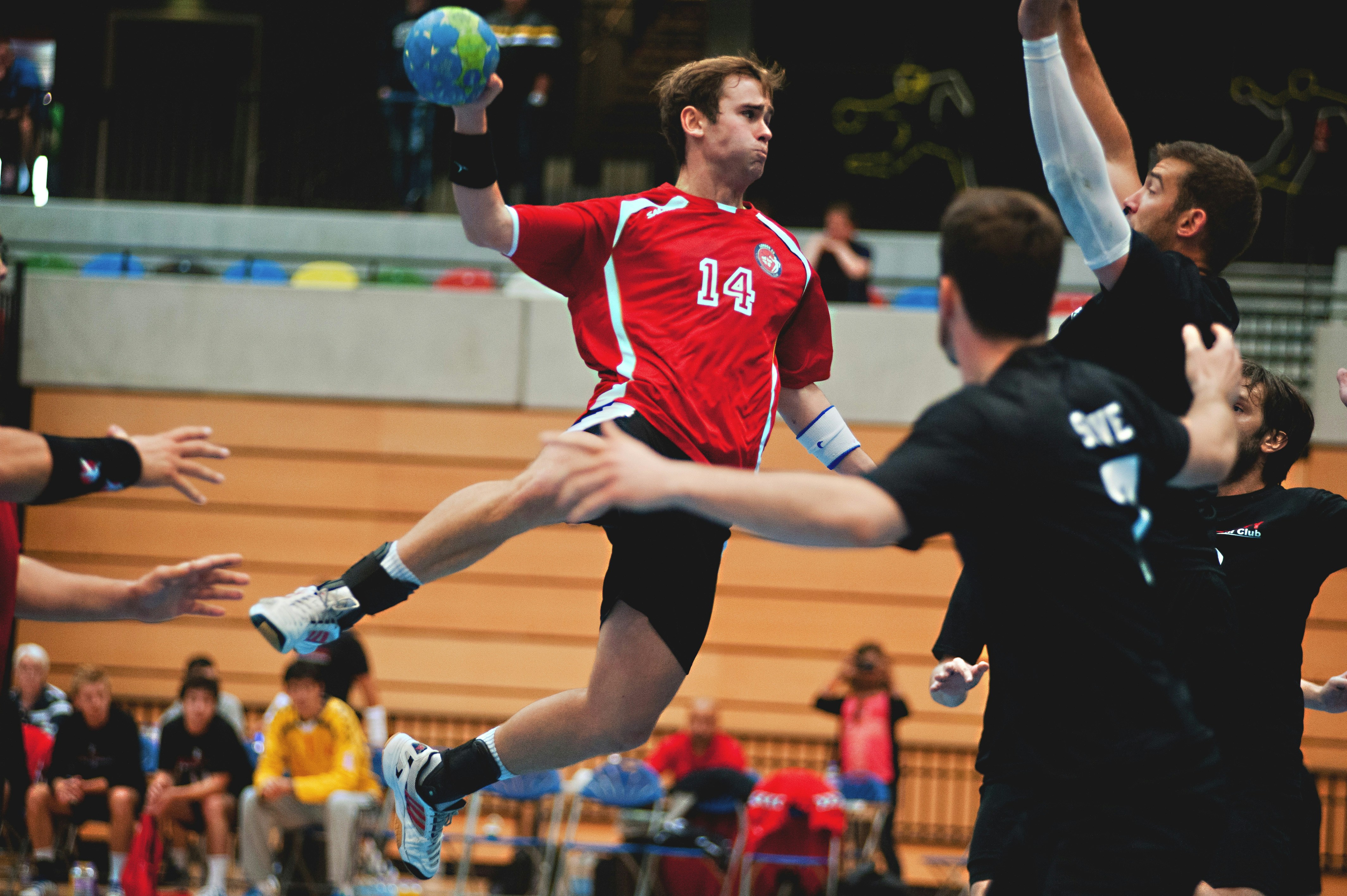
Introduction to Handball in Tunisia
Handball is a prominent sport in Tunisia, cherished for its fast-paced action and interactive gameplay. The sport has cultivated a significant following over the years, marking its presence as a key element of the national sports culture. Handball’s journey in Tunisia can be traced back to the early 20th century, when the game began to gain traction, reflecting the global enthusiasm for competitive sports during that era.
Over the decades, handball has evolved significantly in Tunisia. The Tunisian Handball Federation was established in 1956, coinciding with the country’s push for independence and cultural identity reconstruction. This body has played a pivotal role in developing handball at both grassroots and professional levels, ensuring structured training programs and league systems that foster local talent.
The sport’s popularity surged in the 1970s and 1980s, particularly when the national team began to excel in international competitions. Tunisia’s handball teams have consistently performed well on the African stage, securing multiple championships and demonstrating their prowess at the global level. This success has encouraged increased participation in handball across various demographics, with many schools and local clubs integrating the sport into their programs.
Furthermore, handball has become a symbol of national pride. The success of the Tunisian handball players in international tournaments has not only captured the hearts of sports enthusiasts but has also inspired a new generation to take up the sport. The development of infrastructure, such as dedicated handball arenas and training facilities, also highlights the country’s commitment to promoting this exciting game.
Recent Achievements of Tunisian Handball Teams
The recent success of Tunisian handball teams, both at national and club levels, reflects a growing prowess in the sport. The national team has made significant strides on the international stage, particularly noticeable during the African Handball Championship. Tunisia clinched the title, underscoring their dominant position within the continent. This victory not only enhances the reputation of Tunisian handball but also instills a sense of national pride among fans and aspiring players.
In club competitions, the Tunisian teams have shown remarkable performances in various tournaments. For instance, Esperance Sportive de Tunis made headlines by securing the African Handball Champions League title, a testament to their relentless dedication and strategic gameplay. The final match, which saw them defeating a formidable opponent, was characterized by remarkable teamwork and individual brilliance, marking a historic moment for the club.
Statistical analysis indicates that Tunisian teams have consistently ranked among the top in Africa, with several players recognized for their outstanding contributions. For example, the player statistics from recent tournaments highlight significant average goals scored per match by individuals from Tunisian clubs. With these performances, athletes have not only demonstrated their skill but have also been eyeing opportunities in European leagues, showing a commitment to elevate their game further.
The impact of these achievements on the country’s sports culture is profound. Winning major competitions cultivates a competitive spirit among youth and encourages broader engagement in handball. Schools and local clubs are increasingly focusing on developing talent, fostering a new generation of players who aspire to continue this legacy of excellence.
Upcoming Handball Events in Tunisia
Tunisia is set to host a series of exciting handball events in the coming months that promise to engage fans and elevate the sport within the country. Among the most anticipated tournaments is the National Handball Championship, which begins next month. This prestigious league showcases the top teams competing for the coveted title, drawing significant attention from both local and international spectators. Matches will be held in various arenas across Tunisia, allowing fans from different regions to witness the thrill of top-tier handball.
In addition to the championship, several friendly matches are scheduled, providing teams the opportunity to prepare for upcoming competitions. These matches not only serve as valuable practice but also offer a platform for emerging players to showcase their skills. Friendly matches foster a spirit of camaraderie among teams, allowing clubs to build their rosters with new talents. Fans are encouraged to attend these events, which often feature lower ticket prices, making it accessible for families and young enthusiasts.
Furthermore, the Tunisian Handball Federation has announced an international tournament, inviting teams from the region to compete against our local champions. This tournament aims to promote goodwill and exchange between nations while offering fans a chance to see diverse playing styles. Community support plays a vital role in the success of these events. Fans can engage with their teams through social media, purchase merchandise, and attend matches to create a lively atmosphere that encourages players on the court.
As the handball calendar unfolds, supporters are encouraged to mark their calendars and participate actively in the festivities surrounding these matches. Every cheer from the stands contributes to the energy of the game, reinforcing the solidarity of the handball community in Tunisia.
Spotlight on Key Players in Tunisian Handball
Tunisian handball boasts a vibrant history, characterized by exceptional talent and notable players who have significantly contributed to the sport’s popularity and success. Among these key players is Mohamed Kaddour, a prominent figure in the Tunisian national team. Kaddour’s robust playing style combines strength and agility, allowing him to excel both in defense and attack. He began his career at a local club before making his mark internationally, quickly becoming known for his quick reflexes and tactical awareness on the court.
Another notable player is Karim El-Masri. El-Masri is recognized for his extraordinary scoring ability and leadership qualities. With a background in athletics, he brings a unique approach to the game, emphasizing speed and precision. Throughout his career, he has played pivotal roles in Tunisia’s wins during various continental tournaments, often drawing praise for his performance under pressure. His dedication to the sport is evident in his numerous accolades, and he continues to inspire aspiring athletes in the region.
An essential part of the Tunisian handball legacy is also represented by Amine Fendri, who has earned respect as a defender. His adaptability and strategic thinking make him a formidable opponent. Fendri emphasizes teamwork and communication, making him a valuable asset to any squad. He often shares insights that motivate younger players, demonstrating his commitment to fostering future talent in Tunisian handball.
Interviews with these players reveal their passion for the sport and the pride they take in representing Tunisia on international platforms. They highlight the difficult journeys many athletes face and the importance of perseverance and determination in achieving success. Their contributions not only enhance their teams but also help raise the profile of Tunisian handball globally.
Challenges Facing Handball in Tunisia
Tunisian handball, while boasting a rich history and significant accomplishments, is confronted with several challenges that hinder its growth and development. One of the foremost issues is the financial constraints that most clubs face. Limited sponsorship and funding opportunities adversely affect the ability of these institutions to attract and retain talent, as well as to invest in necessary resources to enhance the standards of play. The lack of financial support often translates to difficulties in organizing competitions and providing adequate remuneration for players and staff, which can consequently lead to diminished performance on both national and international stages.
Another pressing challenge is the inadequacy of infrastructure. Many facilities utilized for handball training and competitions do not meet international standards, posing a setback for player development. Insufficient training venues limits the opportunities for athletes to refine their skills, and poor maintenance of existing facilities can deter participation and affect the overall quality of the sport. Establishing high-quality sporting complexes is imperative for nurturing talent and promoting grassroots participation.
Additionally, the shortage of training resources and qualified coaches is a significant impediment. A well-equipped coaching staff is essential for the strategic growth of players, yet many clubs struggle to provide their coaches with continuous professional development opportunities. Moreover, there is a pressing need for comprehensive training programs to elevate the skills of young athletes. Without access to progressive training methods and experienced mentors, the potential of budding handball players may go unrealized, limiting the future talent pool for the national team.
Community Involvement and Youth Development
The development of young handball players in Tunisia is significantly enhanced through a collaborative effort involving community organizations, local clubs, and educational institutions. Grassroots initiatives have emerged across the country, fostering an environment where youth can engage with the sport from an early age. These programs are not only pivotal in nurturing talent but also play an essential role in instilling values such as teamwork, discipline, and resilience in young athletes.
Local clubs are at the forefront of these efforts, often serving as a cornerstone for cultivating interest in handball. They host training sessions, workshops, and mini-tournaments aimed at school-aged children. These activities provide a platform for aspiring players to learn the fundamentals of handball while promoting physical fitness and social interaction. Moreover, many clubs have formed partnerships with schools to integrate handball into physical education curricula, ensuring that children are introduced to the sport during their formative years.
In addition to club initiatives, various community organizations are embracing the responsibility of promoting handball as a mainstream sport. These organizations often organize outreach programs that target underserved areas, providing equipment and coaching to youth who may not otherwise have access to such resources. Through these initiatives, many children are experiencing not only the joy of playing handball but also the possibility of pursuing it as a lifelong passion.
Overall, community involvement is vital in shaping the future of handball in Tunisia. By prioritizing youth development through local clubs and collaborative programs, the country is laying a strong foundation for a vibrant handball culture. As these efforts gain momentum, the potential for discovering the next generation of talented handball players becomes increasingly promising, ultimately contributing to the nation’s sporting legacy.
The Role of Technology in Handball Training and Performance
In recent years, the integration of technology into sports training has revolutionized the way athletes prepare for competitions, and handball in Tunisia is no exception. Coaches and teams are increasingly leveraging advanced tools to enhance player performance and streamline training methods. Among the innovations making strides in the handball scene are performance analysis software, wearable technology, and video coaching systems that provide comprehensive insights into player dynamics.
Performance analysis software has emerged as a critical asset for handball teams. This software allows coaches to gather data on players’ movements, stamina, and tactical decisions made during games and practice sessions. By analyzing this data, coaches can develop tailored training regimens that focus on specific areas for improvement, ensuring a more efficient use of training time. Such analytical approaches enable teams to track their progress over time and make informed decisions regarding player development.
Wearable technology plays a compelling role in the modern training regime of handball. Devices such as heart rate monitors, GPS trackers, and motion sensors help coaches and trainers monitor athletes’ physical conditions in real-time. This technology not only provides vital statistics about players’ physical exertion but also aids in preventing injuries by identifying signs of fatigue or overexertion. By utilizing this data, coaches can implement more effective recovery strategies and reduce the risk of injuries during intensive training sessions.
Lastly, video coaching has become an essential tool for analyzing gameplay. By reviewing recorded matches, coaches can critique player performances, assess team strategies, and identify weaknesses in the opposition. This visual feedback loop is invaluable as it encourages players to enhance their skills through observation and understanding of the game from different perspectives. In summary, as technology continues to evolve, its application in the training and performance of handball in Tunisia will undoubtedly lead to significant advancements in the sport, fostering a new generation of skilled athletes.
Cultural Impact of Handball in Tunisia
Handball occupies a significant position within Tunisian culture, serving as a catalyst for social unity and healthy living. The sport has evolved to become more than just a game; it represents a shared passion that crosses various demographics, bringing together individuals from diverse backgrounds. Handball clubs are often the heartbeat of local communities, promoting teamwork, discipline, and mutual respect. These clubs provide a space where the youth can engage in constructive activities, diverting them from less positive influences.
Moreover, handball’s role in fostering community spirit cannot be overstated. Major handball events, such as local tournaments or national championships, attract large crowds, providing a platform for communal gatherings and celebrations. These events are not just competitions; they are occasions where families and friends unite to support their local teams, reinforcing social bonds and collective identity. Engaging with the sport instills a sense of pride and belonging, underscoring its cultural relevance within Tunisia.
Interviews with fans reveal the profound emotional connection they share with handball. For instance, a local fan expressed, “When our team competes, it is as if the entire community rallies behind us. It cultivates camaraderie and a shared hope for success.” Such sentiments illustrate how handball transcends the realm of sport, fostering social interaction and community cohesion.
Furthermore, handball promotes healthy lifestyles, encouraging physical fitness among youths and adults alike. Schools and community programs often incorporate handball into their physical education curricula to teach students the importance of physical activity, teamwork, and sportsmanship. This societal approach has contributed significantly to tackling health-related issues, including obesity and sedentary lifestyles.
Conclusion and Future Outlook for Handball in Tunisia
In recent years, handball in Tunisia has experienced significant growth, benefiting from enhanced recognition both domestically and internationally. The Tunisian national teams have risen in prominence, achieving commendable performances in international competitions, which has raised the profile of the sport across the nation. The establishment of robust youth programs and the investment in coaching staff have also contributed positively to the skill development of young athletes.
Looking forward, the future of handball in Tunisia appears promising. There is a clear opportunity for further growth and popularity, particularly through increased local and international tournaments. By enhancing competitive leagues and providing more platforms for matches, officials can cultivate a deeper interest and stronger following for the sport among the general populace. Furthermore, initiatives aimed at improving facilities and training conditions will be pivotal in nurturing talent at grassroots levels.
Collaboration with international handball bodies can unlock access to rich resources, including training methodology, techniques, and exposure to advanced competition standards. Such partnerships would bolster the enhancement of the national handball infrastructure, creating a sustainable ecosystem for the sport’s development. Additionally, promoting handball through media channels and sports events can stimulate community engagement, launching initiatives that invite public participation.
In conclusion, the trajectory of handball in Tunisia is set for a bright future. With concerted efforts from the sports federation, local clubs, and governmental support, there is substantial potential for Tunisia to emerge as a powerhouse in handball. The combination of dedication, investment, and a supportive fanbase is crucial for continuing this upward momentum in the coming years.